October 14, 2026
Understanding Timepiece Movements and Calibers
Watch movements, or calibers, serve as the engine driving every luxury timepiece. Mechanical movements use a mainspring and gears, while quartz relies on a battery and crystal. Sanctum Timepieces provides in-house movement authentication, ensuring each pre-owned watch meets rigorous standards before reaching discerning collectors.
What is a watch movement and why does it matter?
A watch movement is the internal engine that powers a timepiece and governs its function. The movement type, also called the caliber, serves as the beating heart of the watch, controlling how it operates, how accurate it remains, and what kind of maintenance it demands. Without a properly functioning movement, even the most exquisite case and dial become mere decoration. Collectors who overlook movement quality risk acquiring a timepiece that fails prematurely or requires costly repairs.
Understanding watch movements separates casual buyers from serious collectors. The movement determines not just timekeeping precision but also the long-term value of a luxury watch. A compromised caliber diminishes resale potential and erodes the confidence that comes with wearing a fine timepiece.
How does Sanctum Timepieces verify movement authenticity?
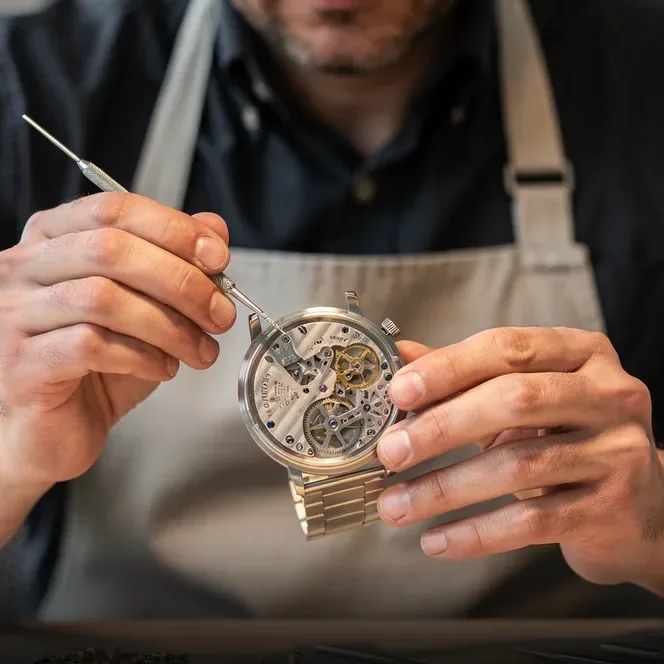
Sanctum Timepieces authenticates every movement in-house before any watch reaches its collection. The company's own watchmaker inspects and verifies each caliber directly, rejecting the outsourced checklist approach common in the secondary market. This hands-on authentication ensures that every timepiece meets exacting standards for both authenticity and mechanical condition.
Why does movement pedigree matter for collectors?
Movement pedigree reveals the engineering heritage behind a luxury watch. Discerning collectors recognize that a caliber's provenance, whether manufactured entirely in-house or sourced from a respected specialist, directly influences a timepiece's durability and serviceability. Sanctum Timepieces sources rare pre-owned watches with documented movement histories, matching clients to pieces whose mechanical integrity supports lasting value. A thorough assessment of internal condition, including service records and pressure testing results, provides the clarity needed for confident acquisition. The company's approach to buying a pre-owned luxury watch with a clearer view of its condition reflects this commitment to transparency at every step.
What are the main types of watch movements?
Four main types of watch movements define the luxury timepiece landscape. Mechanical, automatic, quartz, and hybrid calibers each deliver distinct performance characteristics and ownership experiences. A collector’s choice among these types shapes everything from daily interaction to long-term maintenance requirements.
How does a mechanical movement work?
A mechanical movement represents the oldest type of movement in horology. It uses a coiled metal spring called a mainspring. That spring releases energy as it uncoils through a series of gears. The gears drive a weighted, oscillating balance wheel. This architecture demands manual winding to store power. Collectors who value tradition and tactile ritual gravitate toward these calibers. The absence of electronics connects the wearer directly to centuries of watchmaking craft.
What makes an automatic movement different?
An automatic movement builds on the mechanical foundation. It adds a rotor that spins with the wearer’s wrist motion. That motion winds the mainspring automatically. No battery powers the caliber. No daily hand-winding is required with regular wear. The convenience appeals to clients who want mechanical soul without the daily ritual. Sanctum Timepieces curates an exclusive collection of timepieces from renowned brands like Rolex, Audemars Piguet, and Patek Philippe, many housing sophisticated automatic calibers.
Why choose quartz or hybrid?
A quartz movement runs on battery power. It delivers superior accuracy with minimal maintenance. A hybrid movement blends mechanical architecture with electronic regulation. Each movement type offers unique benefits, quirks, and appeal for different lifestyles. Quartz suits the precision-focused collector. Hybrid calibers attract those seeking innovation without abandoning mechanical character. The right choice depends on how a client prioritizes heritage, convenience, and daily engagement with the timepiece.
How do you identify a caliber and its provenance?
A caliber number identifies the specific movement model inside a timepiece. Examples from the Caliber Corner database include Rolex Caliber 7190 and LeCoultre Caliber 490/BW, each denoting a distinct mechanical architecture. Collectors who overlook this detail risk acquiring a watch with a replaced or mismatched movement, a flaw that erodes value immediately.
Movement provenance, meaning who manufactured the caliber and where, directly shapes a timepiece's collectibility and long-term worth. A movement built in-house by the brand carries different prestige than a third-party ébauche. Without verifying provenance, a buyer forfeits the confidence that comes with an authentic, historically coherent acquisition.
What does a caliber number actually tell a collector?
A caliber number functions as the movement's fingerprint. It reveals the base design, complication set, and often the era of production. Cross-referencing that number against manufacturer records confirms whether the movement belongs in the case. A single digit out of place signals a potential frankenwatch.
How does Sanctum Timepieces verify movement authenticity?
Sanctum Timepieces employs an in-house watchmaker who inspects and authenticates every movement directly. No outsourced checklist replaces hands-on examination. This internal process ensures each caliber matches the reference's original specifications before the watch enters the curated collection.
The company's detailed consultation process then matches the right watch to each collector's horological aspirations. Understanding a caliber's origin becomes part of that conversation. A collector who researches watch reference numbers alongside caliber data builds a complete picture of authenticity before committing to an acquisition.
What maintenance does a mechanical movement require?
A mechanical movement requires professional servicing every three to five years. Regular cleaning and proper storage preserve the movement's condition between service intervals.
How often should a mechanical watch be serviced?
We recommend getting a mechanical watch serviced every three to five years. Skipping this interval risks dried lubricants and accelerated wear inside the caliber. A professional service restores timing accuracy and protects the movement's long-term health.
What daily habits protect a mechanical movement?
A collector should wipe down the watch each night before putting it away. A more thorough clean every three months removes accumulated debris from the case and bracelet. Proper storage in a watch box shields the movement from dust and moisture.
Why does maintenance matter for pre-owned pieces?
Sanctum Timepieces verifies every pre-owned piece for authenticity and condition before it reaches the collection. The company's in-house watchmaker inspects and authenticates every movement directly. This standard ensures clients acquire calibers that have been properly evaluated, not merely cosmetically refreshed.
With proper care, a well-crafted watch lasts for many lifetimes. A maintained mechanical movement becomes a wonderful heirloom passed down through generations. Neglecting service intervals forfeits that legacy.
How do you choose the right movement for your collection?
No single movement type suits every collector. The right choice depends on lifestyle, values, and how the timepiece will be worn. Understanding watch movements matters before any acquisition, because what sits under the dial shapes accuracy, maintenance, and long-term satisfaction.
Experienced collectors know that what is under the dial matters as much as the aesthetics or brand name. A first-time buyer often focuses on appearance. A seasoned enthusiast evaluates the caliber first.
What should a collector consider before choosing a movement?
Three factors guide the decision. First, consider how often the watch will be worn. A daily-wear piece demands different mechanics than a safe-queen heirloom. Second, weigh maintenance tolerance. Mechanical movements require servicing every three to five years, per Watches of Switzerland. Third, define the emotional purpose. A milestone acquisition carries meaning beyond timekeeping.
1. Assess wearing frequency and lifestyle demands.
2. Determine comfort with routine servicing and care.
3. Clarify whether the piece marks a milestone or fills a daily role.
4. Consult a specialist who matches movements to collecting goals.
How does Sanctum Timepieces approach movement selection?
Sanctum Timepieces specializes in matching the right watch to collectors who appreciate storied histories. Every acquisition begins with a conversation to understand the collector's goals. The company does not simply sell watches. The team matches the right watch to the right person.
A private consultation helps clients weigh movement types against actual collecting habits. This mirrors the guidance in choosing a luxury watch that does your milestone justice, where lifestyle alignment precedes any purchase. Skipping this step risks acquiring a caliber that fights the owner's routine rather than serving it.
Conclusion
Understanding what drives your timepiece transforms a purchase into a purposeful acquisition. A caliber’s architecture, provenance, and maintenance demands directly shape your daily experience and the watch’s long-term value. Whether you prioritize mechanical heritage, quartz precision, or hybrid innovation, the decision rests on how the movement aligns with your lifestyle and collecting goals. Evaluate the caliber first, then let the case follow.
Have a piece in mind, or looking to sell one?