October 8, 2026
What to Expect From a Timepiece Appraisal
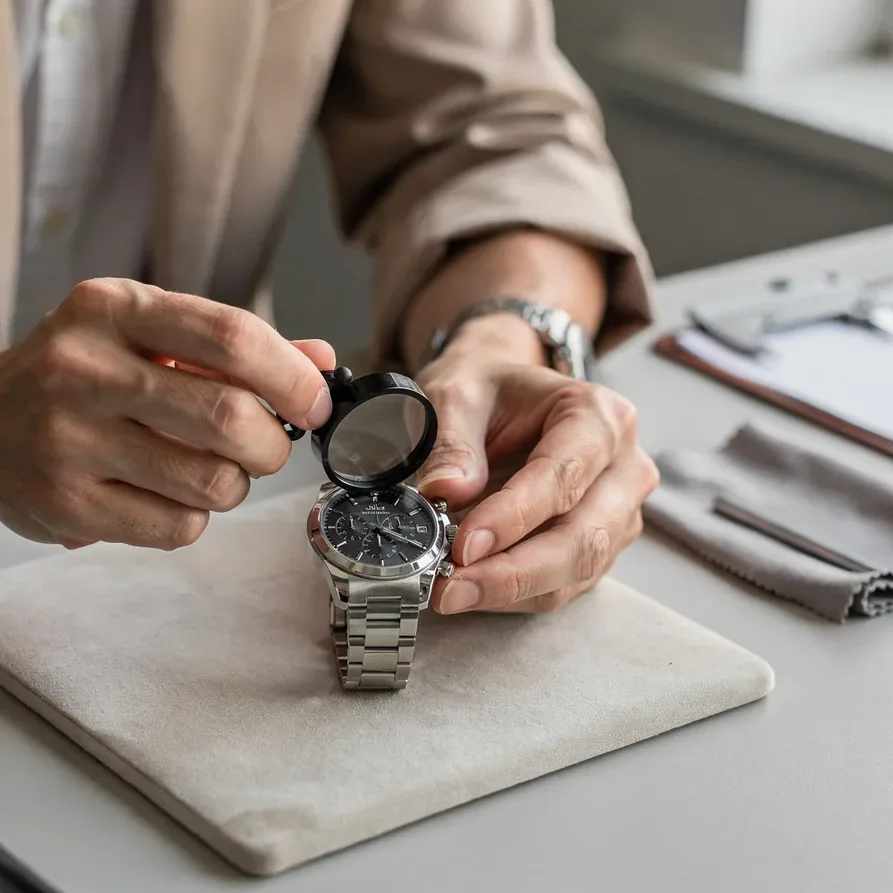
A professional watch appraisal begins with a certified horologist inspecting the movement, case, and dial for authenticity and condition. Sanctum Timepieces performs in-house movement authentication, verifying every component before determining replacement value. An initial evaluation typically takes thirty to sixty minutes, while full movement disassembly and authentication require an extended diagnostic intake. The process concludes with a detailed written report suitable for insurance or estate planning.
What Is a Watch Appraisal Near Me?
A watch appraisal near me is a documented, expert evaluation of a timepiece's authenticity, condition, and current market value. This formal assessment serves specific purposes: insurance coverage, estate planning, or private resale. Without a professional appraisal, collectors risk undervaluing heirlooms or overpaying for inadequate coverage.
Sanctum Timepieces approaches appraisal differently than a standard jewelry counter. The company specializes exclusively in pre-owned luxury watches. Every piece undergoes personal inspection and authentication before it ever reaches a collector. This focus on horological expertise means the evaluation captures nuances that generic appraisers miss.
How Does the Appraisal Process Begin?
The process starts with a private consultation. A specialist at Sanctum Timepieces matches the right watch to the right person rather than simply processing a transaction. This relationship-driven approach reflects the company's foundation: trust, genuine client relations, and a deep appreciation for watchmaking's art and history.
What Should Collectors Expect From a Professional Appraisal?
Collectors should expect documented proof of value backed by in-house movement authentication. The company's own watchmaker inspects every caliber. No outsourced checklists. No rushed estimates. The resulting appraisal document supports insurance filings, estate settlements, or informed sale decisions with precision that protects the owner's financial position.
Choosing the right dealer shapes the entire appraisal experience. Sanctum Timepieces builds relationships that last longer than a single acquisition, ensuring each evaluation reflects both market reality and the timepiece's true significance.
How Does In-House Movement Authentication Work?
Sanctum Timepieces performs watch appraisal near me services with a critical distinction. The company's own watchmaker inspects and authenticates every movement directly. No outsourced checklist replaces hands-on examination. This internal rigor transforms a standard valuation into a definitive assessment of a timepiece's mechanical integrity and provenance.
What Happens During a Movement Inspection?
The process begins with complete disassembly of the movement. The watchmaker examines each component under magnification. They verify serial numbers against manufacturer records. Every bridge, gear, and jewel receives individual scrutiny. The team checks for aftermarket modifications, replacement parts, and signs of prior service work. A movement that passes inspection demonstrates original factory specifications and proper function.
Why Does In-House Authentication Matter for Appraisal Accuracy?
An accurate valuation depends on verified authenticity. Sanctum Timepieces verifies every piece for authenticity and condition before it ever reaches the collection. This pre-vetting ensures the appraisal reflects a fully authenticated timepiece. The specialist handling the valuation possesses direct, hands-on knowledge of the movement's condition. That depth of familiarity separates a meaningful valuation from a superficial estimate, particularly for rare references from Rolex, Audemars Piguet, and Patek Philippe.
The in-house movement authentication process delivers confidence that third-party services cannot match. Collectors and heirs receive documentation grounded in mechanical truth rather than visual approximation. For estate planning, insurance placement, or private sale preparation, this level of verification protects against undervaluation. A timepiece with confirmed originality and documented condition commands appropriate market recognition. Without it, owners risk leaving substantial value unrecognized.
What Determines the Value of Your Timepiece?
A luxury watch carries three distinct valuations, not one. Replacement value, fair market value, and liquidation value describe very different numbers for the exact same timepiece. The gap between the highest and lowest figure runs into thousands of dollars, sometimes tens of thousands on higher-end references. Relying on the wrong valuation for insurance, tax filing, or a sales negotiation means overpaying premiums, underreporting, or leaving money on the table.
What is the difference between replacement value and fair market value?
Replacement value reflects what a collector pays to replace the watch at retail, often through an authorized dealer. This figure typically sits at the high end of the valuation range. Fair market value represents what a willing buyer pays a willing seller in an open transaction. The Watch Appraisal and Valuation Guide notes that these two numbers diverge sharply, especially for discontinued or rare references where retail replacement costs far exceed what the secondary market commands.
Why does liquidation value matter for a luxury watch?
Liquidation value sits at the bottom of the range. It estimates what the timepiece fetches in a forced or time-constrained sale. An estate executor or a collector needing immediate capital faces this figure, not the replacement number. The difference between liquidation and replacement value often surprises owners who have never tested the market.
Sanctum Timepieces sources the rare and the sought after, which means the valuation reflects genuine market demand rather than generic retail pricing. A curated pre-owned specialist understands that a watch's worth depends on which question the owner asks. The listing price, transaction price, and defensible market price each answer a different need. Collectors seeking a watch appraisal near me benefit from an evaluation that distinguishes these figures clearly, matching the valuation type to the intended use.
What Should You Bring to Your Appraisal?
A watch appraisal near me begins before the appointment itself. Clients provide contact information and a brief description of the timepiece ahead of time. This preparation shapes the entire evaluation.
Sanctum Timepieces requests these details to gauge the scope and complexity of the assessment. A description of the reference, condition, and any accompanying documentation gives the watchmaker a clear sense of how much time the appointment requires. Without this advance notice, an appraisal risks running short on the very details that determine value.
What Information Does the Appraiser Need First?
The initial step involves sharing basic contact details. Clients then describe the watch or watches they wish to have appraised. This brief overview allows the appraiser to prepare properly.
Why Does the Description Matter Before the Appointment?
The description signals the evaluation's depth. A complicated movement or a rare reference demands more examination time. Providing this context early prevents a rushed or incomplete assessment.
Sanctum Timepieces conducts appraisals in person by private appointment or remotely. The company serves collectors across Southern California and beyond. This structure ensures the utmost discretion and personalized service for every evaluation.
Clients should prepare the following before scheduling:
Contact information for appointment coordination A concise description of each timepiece Any known reference numbers or model details Notes on condition, service history, or provenance
The private, by-appointment format protects both the client and the timepiece. Every appraisal receives focused, unhurried attention.
How Do You Choose a Trusted Appraisal Specialist?
Selecting a trusted watch appraisal specialist demands verification of credentials and specific horological experience. A reputable appraiser holds recognized certification and demonstrates deep familiarity with the exact type of timepiece requiring evaluation. Without these qualifications, an appraisal carries no authoritative weight for insurance, estate, or resale purposes.
What credentials should a watch appraiser hold?
Certification from a recognized gemological or horological institution establishes baseline competence. The appraiser must also prove hands-on experience with the specific brand, era, and complication of the timepiece. A general jewelry certification alone does not guarantee accurate valuation of a vintage Patek Philippe or a modern Audemars Piguet.
Sanctum Timepieces builds every client relationship on a foundation of trust and passion for horology. Each acquisition begins with a conversation, not a transaction. The company authenticates and curates an exclusive collection of rare pre-owned luxury watches, ensuring every piece meets exacting standards before it reaches a collector's hands.
How does the appraisal process differ for luxury watches?
Luxury watch appraisal requires movement-level inspection by a trained horologist. External condition tells only part of the story. Internal components, service history, and originality of parts all influence value. A rushed, surface-level assessment misses factors that shift valuation by thousands of dollars.
The white-glove VIP concierge service at Sanctum Timepieces handles every acquisition with discreet, personal attention. From private sourcing to final delivery, the process remains confidential and tailored. Seasoned collectors and first-time buyers receive the same personal attention and honest expertise. The goal is simple: work closely with each client and build a genuine relationship toward collecting goals, not merely complete a single transaction.
Conclusion
A watch appraisal near me delivers clarity only when the specialist matches the valuation type to the intended purpose. Bring documentation, reference numbers, and an honest condition assessment to the appointment. The difference between replacement, fair market, and liquidation value determines whether the figure protects your investment or misleads your decision. Choose an appraiser who inspects the movement, not just the case.
Have a piece in mind, or looking to sell one?